
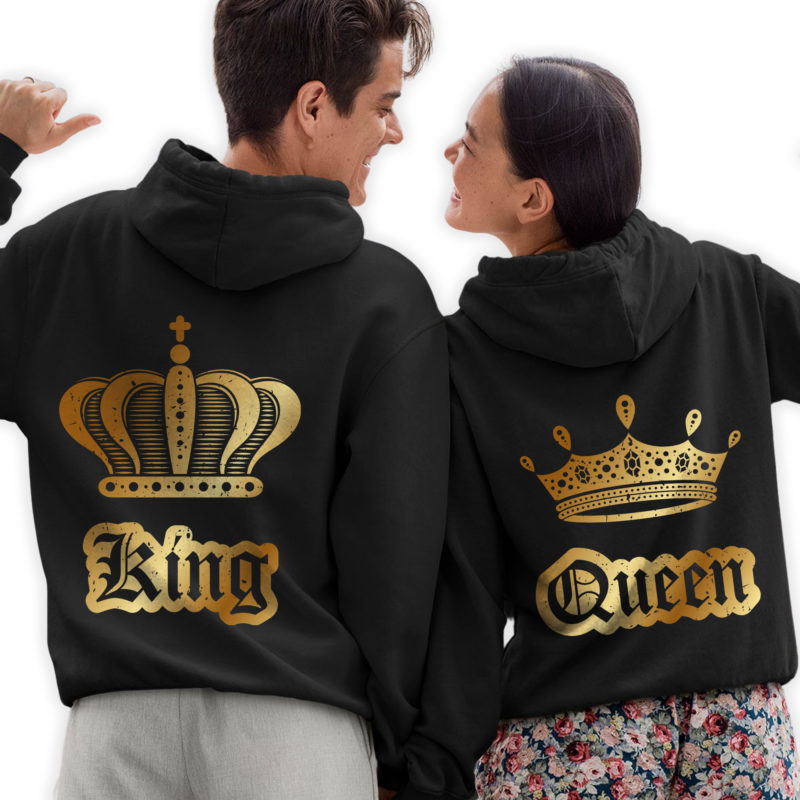
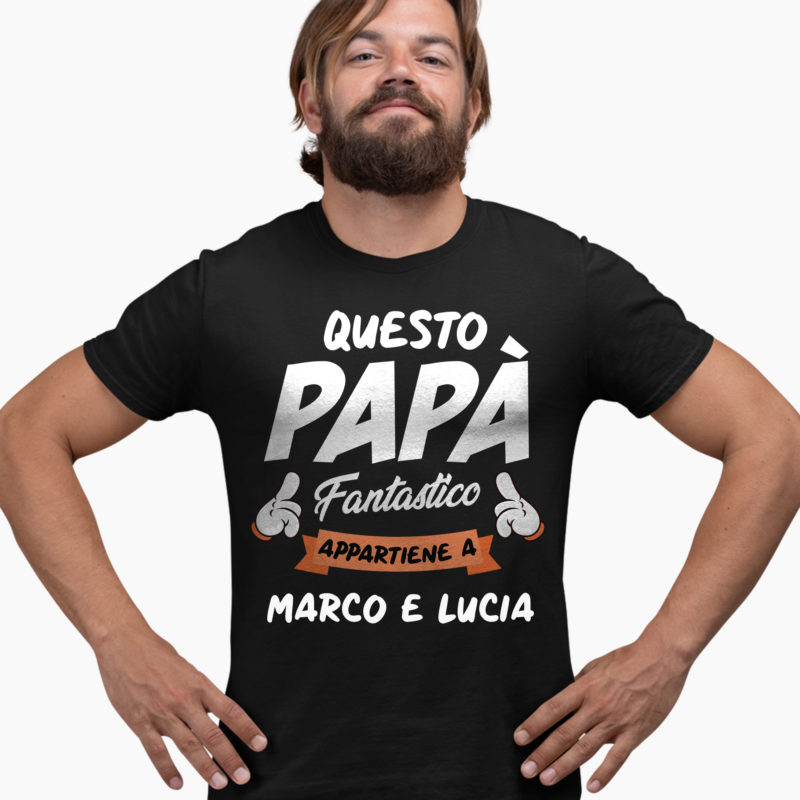
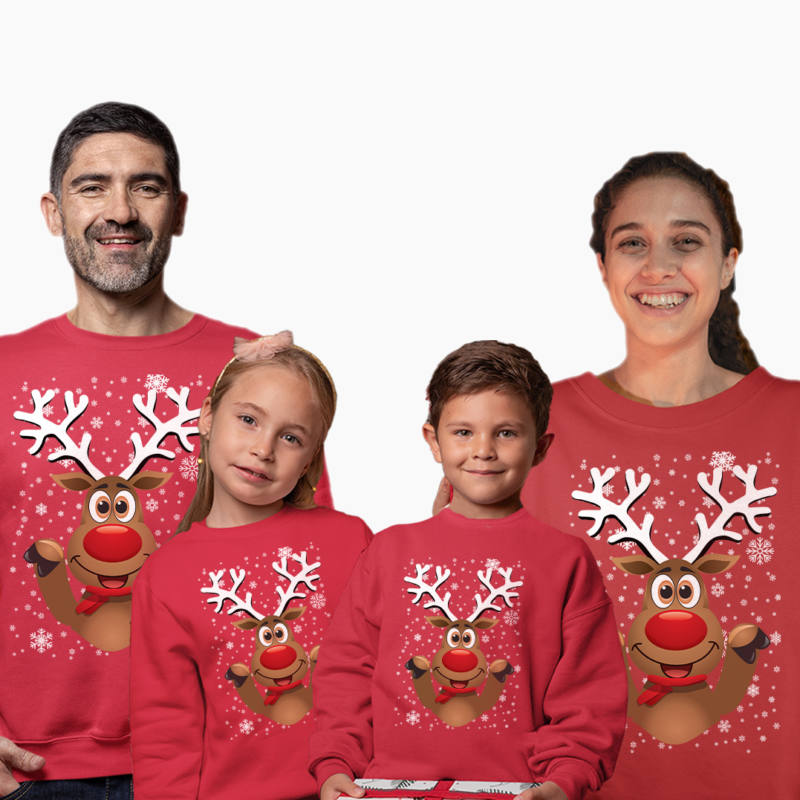

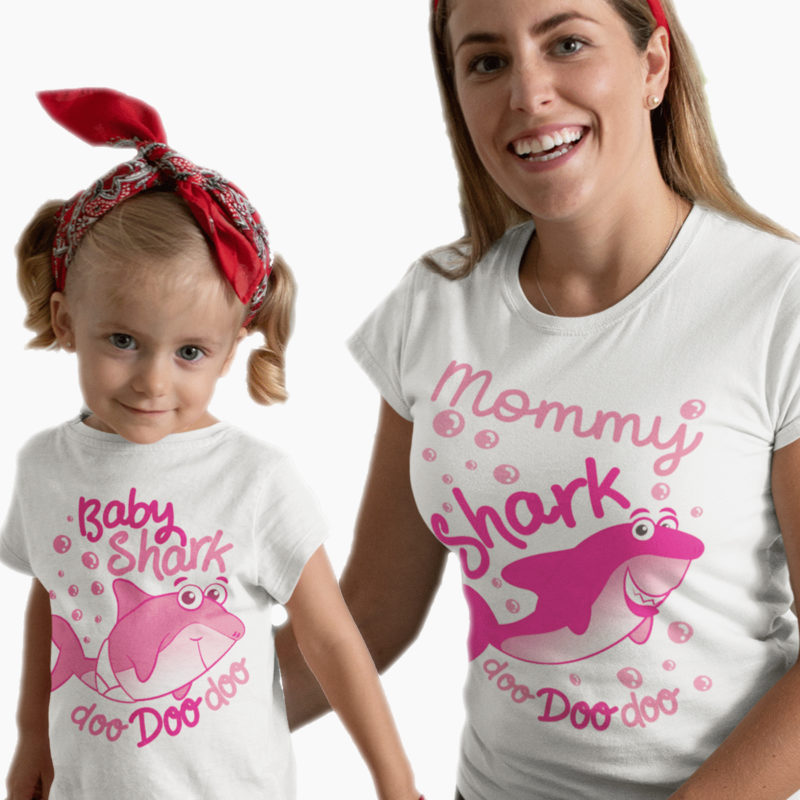
- Stylish collections featuring https://luckycaponeaustralia.com elevate your everyday wardrobe choices
- The Evolution of Streetwear and its Influence on Contemporary Fashion
- Understanding the Key Elements of a Successful Streetwear Brand
- The Importance of Sustainable Fashion Practices
- The Role of Collaboration and Community in Brand Building
- Leveraging Social Media for Brand Awareness and Engagement
- The Future of Fashion: Trends and Predictions
- Beyond Trends: Building a Timeless Style
Stylish collections featuring https://luckycaponeaustralia.com elevate your everyday wardrobe choices
Navigating the world of fashion can often feel overwhelming, with countless trends and styles vying for attention. However, some brands consistently stand out, offering not just clothing, but a statement, an attitude, and a commitment to quality. Among these, https://luckycaponeaustralia.com has carved a niche for itself, providing stylish collections that elevate everyday wardrobe choices. The brand focuses on delivering versatile pieces designed for the modern individual, blending comfort with contemporary aesthetics. It’s a destination for those seeking to express their personality through clothing, moving beyond fleeting trends and embracing enduring style.
The appeal of a brand like Lucky Capone Australia lies in its ability to understand the needs of its customer. It’s about offering pieces that seamlessly transition from casual outings to more polished engagements, providing a foundation for a confident and well-put-together look. The brand understands that clothing is more than just fabric; it's a tool for self-expression and a reflection of one's lifestyle. This understanding is woven into the design process, resulting in collections that are both fashionable and functional, catering to a diverse range of tastes and preferences. The attention to detail and commitment to quality materials further solidify its position in the competitive fashion landscape.
The Evolution of Streetwear and its Influence on Contemporary Fashion
Streetwear has undergone a significant transformation in recent years, evolving from a subculture phenomenon to a dominant force in the fashion industry. Initially rooted in skate culture and hip-hop, streetwear embraced a rebellious spirit and a DIY aesthetic. Early iterations were defined by limited-edition releases, graphic tees, and collaborations between artists and brands. This exclusivity fostered a sense of community and cemented streetwear’s appeal amongst those seeking to express their individuality. The culture was built on authenticity and a genuine connection between creators and consumers – a principle that continues to resonate today, even as the market has expanded considerably. The use of bold logos and vibrant colours were also key features, creating a visually striking and instantly recognizable aesthetic.
Today, streetwear’s influence can be seen across all levels of fashion, from high-end designer collections to fast-fashion retailers. Luxury brands have actively incorporated streetwear elements into their designs, recognizing the cultural relevance and commercial viability of the style. This fusion has led to the blurring of lines between traditional fashion and streetwear, creating a more inclusive and dynamic industry. The emphasis on comfort and functionality, once exclusive to streetwear, has now become a mainstream expectation. The demand for versatile pieces that can be dressed up or down has skyrocketed, and brands are responding by offering collections that cater to this evolving consumer preference. This shift represents a significant democratisation of fashion, making style more accessible and personal.
Understanding the Key Elements of a Successful Streetwear Brand
Building a successful streetwear brand requires more than just creating aesthetically pleasing clothing. It demands a deep understanding of the culture, a strong brand identity, and a commitment to community engagement. Authenticity is paramount; consumers can quickly detect insincerity, and brands that attempt to simply capitalize on the trend without genuinely embracing the culture will likely fail. Establishing a distinct visual language is also crucial, utilizing unique graphics, logos, and colour palettes to create a recognizable aesthetic. This visual identity should be consistent across all platforms, from clothing designs to social media content.
Furthermore, fostering a strong online presence and actively engaging with the community are essential for growth. Utilizing social media platforms like Instagram and TikTok to showcase new products, collaborate with influencers, and build relationships with customers is no longer optional but a necessity. Limited-edition releases and exclusive drops can generate hype and drive demand, while pop-up shops and events can provide opportunities for direct interaction with consumers. The most successful streetwear brands operate as communities, fostering a sense of belonging and shared identity among their followers. Ultimately, it's about creating a lifestyle that resonates with the target audience and building a loyal customer base.
| Item | Price (AUD) | Material | Availability |
|---|---|---|---|
| Logo Tee | $49.99 | 100% Cotton | In Stock |
| Track Jacket | $129.99 | Polyester Blend | Limited Stock |
| Cargo Pants | $99.99 | Ripstop Cotton | In Stock |
| Baseball Cap | $39.99 | Cotton Twill | In Stock |
The table above provides a small sample of the types of items and associated prices that might be found within the Lucky Capone Australia range, demonstrating the brand’s commitment to accessible style.
The Importance of Sustainable Fashion Practices
The fashion industry has historically been a significant contributor to environmental pollution and social injustice. From the excessive use of water and chemicals in textile production to the exploitative labour practices in garment factories, the industry’s impact has been far-reaching. However, in recent years, there has been a growing awareness of these issues and a corresponding demand for more sustainable fashion practices. Consumers are increasingly seeking out brands that prioritize ethical sourcing, environmentally friendly materials, and fair labour standards. This shift in consumer behaviour is forcing brands to re-evaluate their operations and adopt more responsible approaches to production and distribution. The idea of "fast fashion" is starting to lose its appeal as more individuals desire durable, ethically made clothing.
Sustainable fashion encompasses a wide range of initiatives, including using organic cotton, recycled materials, and innovative fabrics made from renewable resources. Reducing water consumption, minimizing waste, and lowering carbon emissions are also key priorities. Furthermore, transparency and traceability are becoming increasingly important, with consumers wanting to know where their clothes come from and how they were made. Brands that are open about their supply chains and committed to ethical practices are gaining a competitive advantage. Investing in durable, high-quality garments that are designed to last is another crucial aspect of sustainable fashion, encouraging consumers to buy less and choose wisely. Ultimately, it's about creating a circular economy where resources are used efficiently and waste is minimized.
- Prioritize organic and recycled materials.
- Support fair labour practices throughout the supply chain.
- Reduce water and energy consumption during production.
- Design for durability and longevity.
- Embrace transparency and traceability.
- Minimize packaging waste.
These principles are becoming increasingly important to consumers and are driving innovation within the fashion industry, creating opportunities for brands like Lucky Capone Australia to demonstrate their commitment to responsible practices.
The Role of Collaboration and Community in Brand Building
In today's interconnected world, collaboration and community building are essential for brand success. Simply offering a great product is no longer enough; brands need to foster meaningful connections with their customers and create a sense of belonging. Collaborations with other brands, artists, and influencers can expose a brand to new audiences and inject fresh creativity into its offerings. These partnerships can take many forms, from limited-edition collections to co-branded marketing campaigns. The key is to find collaborators who share similar values and aesthetic sensibilities, creating a synergy that resonates with both brands’ target audiences. Strategic partnerships can significantly amplify brand reach and strengthen market positioning.
Building a strong community around a brand involves actively engaging with customers on social media, hosting events, and creating opportunities for interaction. Encouraging user-generated content, responding to comments and messages, and fostering a sense of dialogue are all effective ways to build community. Brands that prioritize customer feedback and actively involve their community in the design process are more likely to create products that resonate with their target audience. A loyal and engaged community can become a powerful advocate for a brand, spreading positive word-of-mouth and driving sales. The modern consumer desires a relationship with the brands they support, not simply a transaction.
Leveraging Social Media for Brand Awareness and Engagement
Social media has become an indispensable tool for brand building, providing a direct line of communication with consumers and a platform for showcasing brand values and personality. Platforms like Instagram, TikTok, and Facebook offer a wealth of opportunities for reaching target audiences and driving engagement. Creating high-quality content that is visually appealing, informative, and entertaining is crucial for capturing attention. Utilizing relevant hashtags, running targeted advertising campaigns, and collaborating with influencers can further amplify reach. Consistent posting and active engagement with followers are essential for maintaining a strong online presence. Data analytics provide valuable insights into audience behaviour, allowing brands to refine their social media strategy and optimize their content for maximum impact.
However, social media is not without its challenges. Maintaining a consistent brand voice, managing online reputation, and addressing customer complaints require careful attention. Authenticity and transparency are paramount, and brands must be prepared to respond to criticism and address concerns in a timely and professional manner. Ignoring negative feedback or attempting to suppress dissenting voices can damage brand reputation. Ultimately, social media should be used as a tool for building relationships and fostering a sense of community, not simply as a platform for self-promotion. A well-executed social media strategy can significantly enhance brand awareness, drive traffic to a website, and increase sales. Brands like Lucky Capone Australia can use these platforms to showcase their latest collections and engage with potential customers.
- Define your target audience and their preferred social media platforms.
- Develop a content strategy that aligns with your brand values.
- Post consistently and engage with your followers.
- Utilize relevant hashtags and run targeted advertising campaigns.
- Monitor your online reputation and respond to feedback.
- Analyze your results and refine your strategy accordingly.
Following these steps can help brands maximize their social media impact and build a strong online presence.
The Future of Fashion: Trends and Predictions
The fashion industry is in a constant state of flux, driven by evolving consumer preferences, technological advancements, and broader cultural shifts. One of the most significant trends shaping the future of fashion is the growing demand for personalization. Consumers are increasingly seeking out products and experiences that are tailored to their individual needs and preferences. This trend is driving the development of new technologies like 3D printing and artificial intelligence, which allow for the creation of customized clothing and accessories. Furthermore, brands are utilizing data analytics to understand customer behaviour and offer personalized recommendations. The ability to create unique and bespoke products will be a key differentiator in the years to come.
Another key trend is the rise of “phygital” fashion, blending the physical and digital worlds. Virtual try-on experiences, augmented reality shopping apps, and the metaverse are all blurring the lines between online and offline retail. Consumers are increasingly comfortable shopping for clothes online, and brands are leveraging technology to enhance the online shopping experience. The metaverse offers exciting new opportunities for brands to create virtual showrooms, host fashion shows, and engage with customers in immersive digital environments. The integration of blockchain technology is also gaining traction, offering greater transparency and traceability in the supply chain. The evolution of materials including lab-grown alternatives offering sustainability and ethical production is also gaining traction. The continuous development of innovative materials and technologies will continue to shape the future of fashion, offering new possibilities for creativity and sustainability. The ongoing conversation surrounding inclusivity and body positivity will continue to shape design aesthetics and marketing strategies.
Beyond Trends: Building a Timeless Style
While following fashion trends can be fun, cultivating a timeless style is a far more rewarding pursuit. A timeless style is about investing in classic pieces that transcend fleeting fads and remain relevant for years to come. Focusing on quality over quantity, choosing neutral colours and versatile silhouettes, and prioritizing fit are all essential elements. Building a capsule wardrobe of core items that can be mixed and matched is a great starting point. These items might include a well-tailored blazer, a classic white shirt, a pair of dark-wash jeans, and a little black dress. Accessories can then be used to add personality and update the look. Think of brands like https://luckycaponeaustralia.com – their pieces aim to be adaptable to various looks.
Ultimately, a timeless style is about expressing your individual personality and feeling confident in your own skin. It's not about blindly following trends but about curating a wardrobe that reflects your values and lifestyle. Experimenting with different textures, patterns, and accessories can add interest and depth to your look. Don't be afraid to invest in pieces that you love and that make you feel good. Remember that style is a journey, not a destination, and it's important to have fun and be creative. The clothes are a vehicle for self-expression; the foundation should be timeless and buildable.